
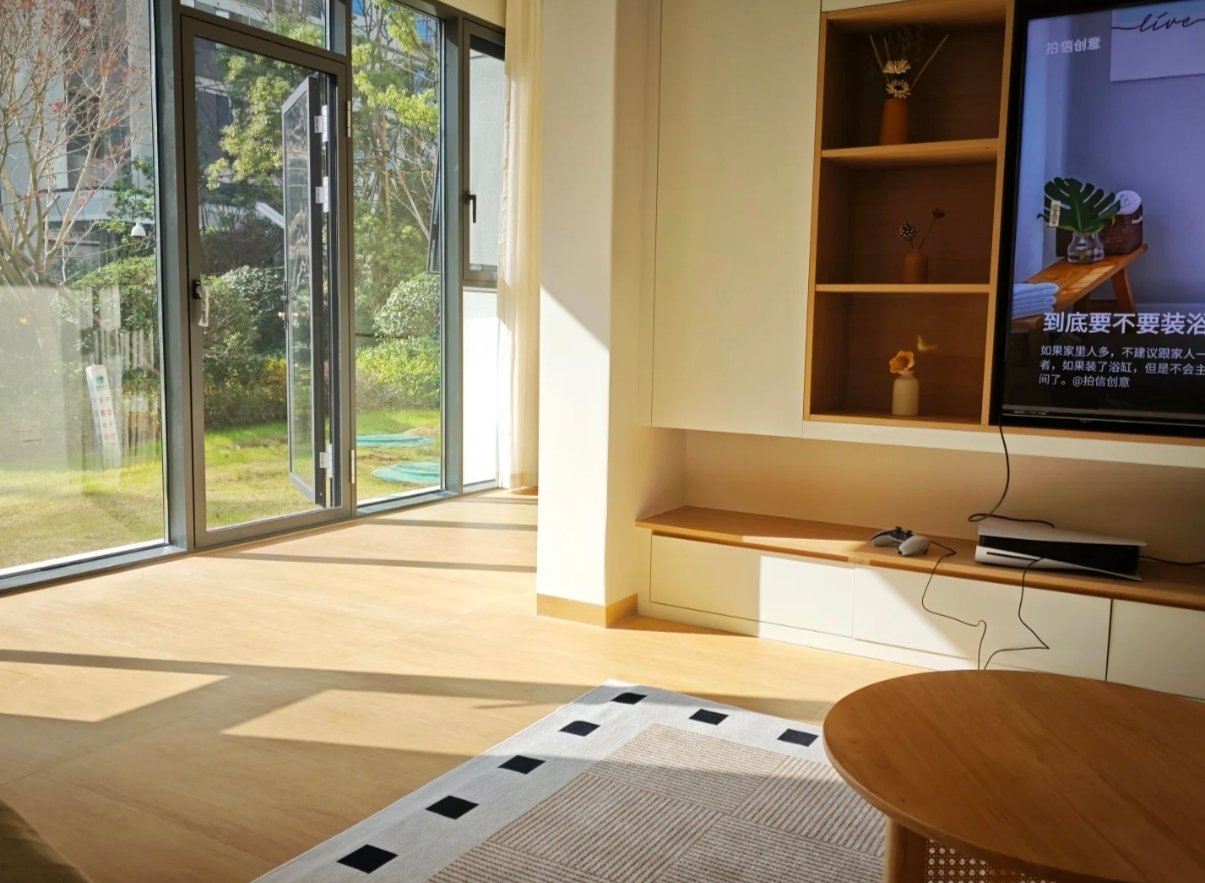
If your home is a mix of hardwood, tile, and area rugs, most standard robot vacuums present a trade-off: they either shine on hard surfaces but fail to pull embedded dirt from carpets, or they mop your floors while dragging a wet pad straight over your favorite rug.
Cleaning mixed flooring isn’t just about raw suction numbers—it comes down to how intelligent the machine is when moving between surfaces.
Quick Picks: Top Recommendations for Mixed Floors
- Best Overall: Roborock Qrevo Master — 10mm auto-lifting mop pads and dual rubber rollers make it the smooth operator for hardwood and rugs.
- Best for Thick Carpets: Dreame X40 Ultra — Physically leaves its mop pads at the dock to guarantee 100% dry high-pile carpets.
- Best for Pet Hair: Ecovacs Deebot T30S — ZeroTangle dual-comb system prevents heavy dog and cat hair from choking the brushroll.
- Best Value: eufy X10 Pro Omni — Flagship 12mm mop lifting and auto-empty dock at a fraction of the cost.
- Best on a Budget: Looking for top-performing options under $200? Check out our dedicated guide to the best robot vacuums around $200.
What to Prioritize for Your Floor Plan
| Your Home Setup | What to Prioritize | Why It Matters |
|---|---|---|
| Mostly hardwood with low-pile rugs | Auto-lifting mop (minimum 7mm–10mm lift) & low-profile design | Prevents damp rugs while ensuring easy clearance under furniture. |
| Two-story home (Hardwood downstairs / Carpet upstairs) | Multi-floor mapping & dedicated carpet agitation | Lets you set virtual boundaries and custom suction profiles per floor. |
| Heavy-shedding pets on mixed floors | Rubber anti-tangle rollers & self-emptying dock | Bristle brushes get clogged instantly; auto-empty handles dense fur build-up. |
| High-pile or plush carpets | High threshold clearance & mop-detaching dock | Standard lifting mops still drag on plush rugs; physical detachment is required. |
1. The Mop System: Will It Get Your Rugs Wet?
The single biggest point of failure for hybrid robot vacuums in mixed-floor homes is the transition from tile or wood to rug. Manufacturers market “automatic carpet detection,” but how the robot actually handles that detection varies significantly.
- Mopping Pad Lifting: Ideal for homes with thin entry mats or low-pile area rugs. Look for robots that lift their pads at least 8mm to 10mm. If your rugs are thicker than the lifting height, the pad will still make contact.
- Auto-Dock Mop Detachment: If you have plush or high-pile carpeting, lifting isn’t enough. Advanced models physically leave their mop pads at the base station before embarking on a carpet-only run. This is the only 100% foolproof way to keep carpets dry.
- Vacuum-First, Mop-Second Cycles: Look for companion app settings that allow the robot to complete all carpeted areas before dampening its pads for hardwood zones.
2. Carpet Cleaning: Beyond Advertised Suction Pascal (Pa)
A higher suction rating (e.g., 8,000 Pa vs. 10,000 Pa) does not automatically mean cleaner carpets. Airflow, brushroll design, and seal against the floor dictate actual performance.
- Dual-Rubber Rollers: Dual counter-rotating rubber brushes agitate carpet fibers far better than single-bristle brushes, popping out trapped sand and deep-seated dust.
- Threshold & Edge Climbing: Ensure the robot lists a threshold clearance of at least 20mm (0.78 inches). Otherwise, the robot may treat thick rug edges as solid obstacles and skip entire rooms.
- Automatic Suction Boost: A responsive ultrasonic sensor should trigger maximum power the millisecond the machine steps onto a carpeted surface.
3. Pet Owners: Tangle Resistance and Dock Reliability
If you have shedding dogs or cats, pet hair behaves differently on hardwood than on carpet. Hardwood allows hair to slide into the inlet, while carpet fibers grip and trap it.
- Anti-Tangle Brush Mechanism: Avoid traditional bristle brushes—hair wraps around the axle and stalls the motor. Solid rubber rollers or active hair-cutting blades save hours of manual maintenance.
- Dock Bag Capacity & Suction: Self-emptying base stations need enough pull force to clear packed pet hair out of the robot’s internal dustbin without jamming the evacuation port.
4. Frequently Asked Questions
Can a robot vacuum clean hardwood and thick carpet in a single run?
Yes, provided it features active mop lifting or auto-mop detachment, along with a threshold clearance height that can scale your rug’s edge without getting high-centered.
How do I stop my robot mop from smelling like mildew?
Choose a model with a self-cleaning dock that includes hot-air mop drying, or manually remove and wash the microfiber pads after every two to three cleaning cycles.
Is a self-emptying dock necessary for carpets?
If you have pets or thick carpets that shed fibers, yes. Carpets yield significantly more volume of debris than hardwood floors, which will quickly fill up a tiny onboard bin.
Can I add cleaning solution directly to my robot vacuum’s water tank?
No, using unapproved floor cleaners, Lysol, or vinegar can corrode internal pumps and void your warranty. Always check our detailed guide on can you put cleaning solution in a robot vacuum for safe, manufacturer-approved options.
Pingback: Best Robot Vacuums Around $200 (2026): Top Picks for Apartments, Pet Hair & Edge Cleaning - HomeLabY